


Travelling for the holidays? Don’t pay over and above for your currency. Discover how to avoid high exchange rates and hidden fees.
Traveling for the Holidays? How to Avoid High Currency Exchange Fees
Traveling for the Holidays? How to Avoid High Currency Exchange Fees
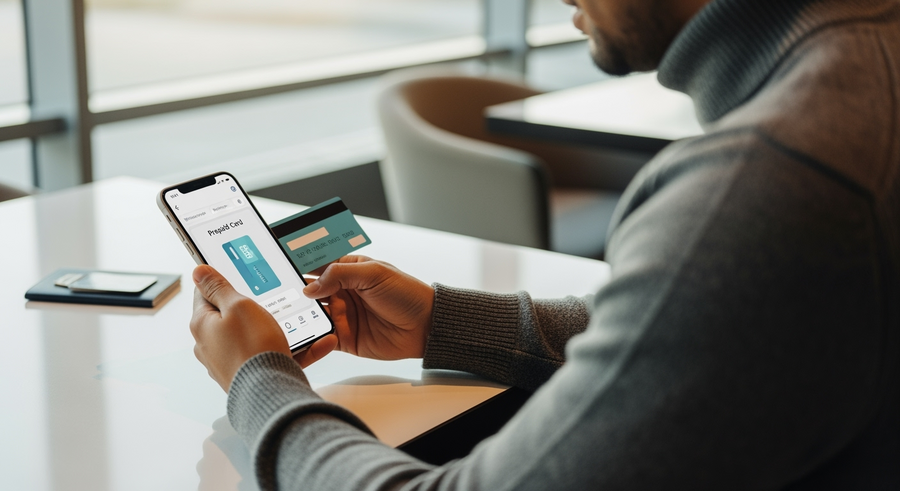
Whether you’re planning an exciting trip away, visiting friends and family, or heading back home for the holidays, international travel during the festive period can be expensive – especially when it comes to currency exchange. Fees, hidden charges and high exchange rates can quickly drain your budget.
But, in dealing with foreign exchange rates, holiday travel needn’t break the bank. Discover the best savvy strategies to help you save money and avoid exorbitant fees when spending abroad – including choosing the best no exchange fee credit cards and finding the lowest-cost ways to exchange currency – so you’ll have more spending money to enjoy your festive travels.
What is the best and cheapest way to exchange currency?
Travelling abroad is expensive enough, so it makes sense to save where you can. Get the most for your money by finding the best exchange rates on offer.
Ahead of your trip, shop around to find cheap travel money. Sites like Money Supermarket and Travel Money are a good place to start. They offer comparisons on cash, travel cards and even buyback. Your bank, supermarkets and online providers are other good places to look and compare rates. If you have a specific account or loyalty card, you’ll often find you’re offered preferential rates, too.
Travel Tips to Avoid Currency Fees
Find travel-friendly options
Look for a no foreign exchange fee credit card or a debit card with favorable exchange rates. Worrying: “How do I tell if my credit card has foreign transaction fees?” Don’t worry – simply check your card’s terms or monthly statement.
Be country-specific
When travelling abroad it’s not always clear if it’s better to sort your currency ahead of time, or to do it when you arrive. For example, when thinking if it’s cheaper to get euros in the US or in Europe, many would assume it makes sense to get them before travelling. But, while it may help you feel more organised, it’s sometimes not as cost-saving as you’d think.
So, if you’re travelling to Europe and wondering: “where is the best place to get euros before a trip?” You might be surprised. Financial provider Western Union advises that for a better exchange rate, those coming from the US should get their money in Europe, claiming: “Getting euros in the US will likely yield a worse exchange rate”. So, it really depends on where you’re heading (and which country you’re travelling from, too).
Stick to the local currency
When paying using a card or withdrawing from an ATM, always do so in the local currency. For example, if you’re using a US credit card abroad and wondering: “is it better to charge a credit card in USD or foreign currency?” The answer would still be to opt for the foreign currency. This allows your bank to handle the currency conversion, giving you a better rate on your exchange and helping you save on conversion fees.
Avoid tourist hotspots
Where to exchange currency without paying huge fees? Avoid airports and hotels; instead use local ATMs or online exchange services like Revolut. Exchange booths are another place to avoid – while often conveniently located, the rates are usually poor. You could find yourself paying fees and hefty commissions, too.
Is there a way to avoid currency exchange fees?
When using money abroad, it can feel like it’s impossible to avoid a currency exchange rate fee. But, there are some providers that forgo the usual fee charged for exchanging currencies.
- Credit cards – wondering what credit card doesn’t charge international fees? Look for credit cards without foreign transaction fees, like Halifax Clarity Credit Card, Barclaycard Rewards Credit Card, Chase Sapphire Preferred, Capital One Venture, and Revolut cards (weekdays only). Some even offer extras like points to collect or airmiles, too.
- Apps – use digital platforms like Revolut or Wise to convert currency in your account. While they may charge a fee, they’re transparent about costs and can still usually save you money overall.
- Cash – if you need cash, shop around for the best rates before your travel and check the rates of the country you’ll be travelling to as well – in case it’s cheaper to wait until you get there. While you’re abroad, use a transaction fee-free debit card to withdraw money from local ATMs.
Can I Use Prepaid Cards to Avoid Exchange Rate Fees?
Yes. A secure option to help with travel budgeting, simply load the money onto your prepaid credit card and use it at ATMs to withdraw cash. Prepaid cards like Transcash, PaysafeCard and ToneoFirst from verified sites like MobileTopUp allow you to load and then spend in multiple currencies worldwide. Just check the card you choose doesn’t charge any foreign transaction fees.
Can I Use A Digital Wallet to Avoid Foreign Exchange Fees?
Is there a fee to use Apple Pay internationally? The short answer is no, but actually it’s a little more complicated. Digital wallets – this includes payment storage applications like Apple Pay, and Google Pay – don’t charge exchange fees. But, your bank or card provider might, so always be sure to check.
The other digital wallet you might consider using is PayPal. Again if you use a linked card or bank account, the foreign transaction fees are determined by your bank; PayPal is the facilitator. But is there a fee for currency exchange on PayPal if you choose to convert money held in your account? That’s a different story, as PayPal does charge currency conversion fees when you make a transaction or withdrawal in a different currency than your account’s primary currency.
Written by
Max Taylor


