

Learn what a cryptocurrency wallet is and how to use it safely. This guide explains private keys, compares hot vs. cold wallets, and reviews the best hardware and software options to secure your Bitcoin and other digital assets.
Crypto Wallet Guide for Beginners: Store Coins Safely in AU
Crypto Wallet Guide for Beginners: Store Coins Safely in AU
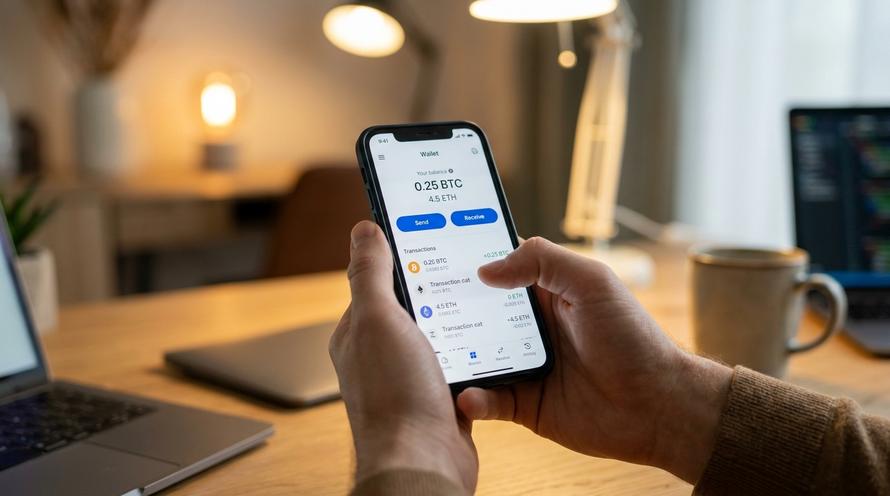
What Is a Cryptocurrency Wallet?
A cryptocurrency wallet, often called a crypto wallet or blockchain wallet, is a digital tool that allows you to interact with a blockchain network. Think of it not as a wallet that holds physical cash, but as a secure digital keyring for managing your online assets. It provides the essential functions needed to send, receive, and monitor your digital currencies like Bitcoin, Ethereum, and others.
The core function of a crypto wallet revolves around managing your cryptographic keys. Every wallet has a pair of keys: a public key and a private key. When someone sends you crypto, they are essentially sending it to your public address, which is derived from your public key. To access and spend those funds, you must use your corresponding private key to sign and authorise the transaction on the blockchain. The wallet facilitates this process, acting as your personal interface to the decentralised financial world.
It’s a common misconception that crypto wallets physically store your coins. Your digital assets always exist on the blockchain itself. A wallet’s true purpose is to securely store your private keys—the secret codes that prove your ownership of the funds at your address. If you lose your private keys, you lose access to your money. This is why understanding how to manage your wallet securely is the most important skill in cryptocurrency.
How Does a Crypto Wallet Address Work?
A crypto wallet address is a unique string of letters and numbers that functions much like your bank account’s BSB and Account Number in Australia. It’s the specific location on the blockchain where your funds can be sent. You can share this address freely with anyone who wants to send you cryptocurrency without any risk to the funds already in your wallet. Each cryptocurrency you own will have its own unique address.
Your wallet address is generated from your public key, which is one half of your cryptographic key pair. The other half is your private key, which must be kept completely secret. While the public key creates the address you share (for receiving funds), the private key is what you use to authorise sending funds *from* your wallet. Giving out your private key is like giving someone the PIN to your bank card and the keys to your house; they would have full control over your assets. Good security practices are fundamental, and this includes protecting yourself from digital scams designed to trick you into revealing this information.
It’s also crucial to understand network compatibility. You can’t send every coin to every address. For example, to receive Bitcoin, you need to provide a Bitcoin-specific address from your wallet. For Ethereum and the thousands of tokens built on its network (known as ERC-20 tokens), you would use an Ethereum address. Sending a coin to an address on an incompatible network is a common mistake and often results in the permanent loss of funds.
Summary
This guide explains everything you need to know about crypto wallets in 2026. You’ll learn what a crypto wallet is, how wallet addresses work, and the key differences between public and private keys. We compare the main types of wallets—from ultra-secure hardware devices to convenient mobile apps—and introduce tools like wallet trackers to help you manage your portfolio. Finally, we provide a list of recommended wallets and answer common questions to help you store your digital assets safely.
TLDR
- Wallets Don’t Store Coins: Your crypto lives on the blockchain. A wallet simply stores the secret ‘private keys’ you need to access and manage your funds.
- Public vs. Private Key: Your public address is like a BSB/Account number—safe to share for receiving funds. Your private key is like a password—keep it secret at all costs.
- Hot vs. Cold Wallets: Hot wallets (apps) are connected to the internet and are great for convenience. Cold wallets (hardware devices) are offline and offer the best security.
- Self-Custody is Key: Using your own wallet (‘self-custody’) gives you full control. Leaving crypto on an exchange means you are trusting them with your assets (“not your keys, not your coins”).
- Choose Based on Your Needs: If you’re a long-term investor, get a hardware wallet. If you’re an active trader or Web3 user, a software wallet app is essential.
📑 Table of Contents
Comparing the Main Types of Crypto Wallets
When you start exploring crypto wallets, you’ll quickly discover they fall into two main categories: “Hot” and “Cold”. This isn’t about temperature; it’s about their connection to the internet. Understanding this distinction is the first step toward choosing the right wallet for your needs.
- Hot Wallets: These are software-based wallets connected to the internet. They include mobile apps, desktop programs, and browser extensions. They offer great convenience for frequent trading and interacting with decentralised applications (dApps).
- Cold Wallets: Also known as cold storage, these are physical hardware devices that remain completely offline. They offer the highest level of security because your private keys are never exposed to the internet, making them immune to online hacking attempts.
Hardware Crypto Wallets (Cold Storage)
For serious investors holding a significant amount of cryptocurrency, a crypto wallet hardware device is considered the gold standard for security. These are small, physical devices (often resembling a USB stick) that store your private keys in a protected, offline environment. When you need to authorise a transaction, you connect the device to your computer or phone, and the transaction is signed internally on the device itself without ever exposing the private key online.
Popular brands like Ledger and Trezor dominate this market. A Ledger wallet, for instance, provides military-grade security for your assets, making it an essential tool for long-term holders who prioritise safety above all else.
💡 Pro Tip: Always buy hardware wallets directly from the official manufacturer’s website. Avoid second-hand sellers, as devices could be tampered with to compromise your security.
Crypto Wallet Apps and Software (Hot Wallets)
A crypto wallet app or software wallet offers unparalleled convenience. These are applications you can install on your smartphone or as a browser extension, giving you instant access to your funds for trading, spending, or interacting with the world of Web3 and DeFi. Their constant internet connection makes them “hot” and therefore more vulnerable than hardware wallets, but they are essential for day-to-day crypto activities.
One of the most well-known examples is MetaMask, a browser extension and mobile app that serves as a gateway to the Ethereum ecosystem and beyond. While these wallets are generally secure, their online nature means you must be vigilant about device security and be aware of the signs your phone has been hacked.
✅ Pros of Hot Wallets
- Highly convenient for daily use
- Easy to set up and free to use
- Seamless integration with dApps
❌ Cons of Hot Wallets
- Less secure due to internet connection
- Vulnerable to malware and phishing
- Not ideal for storing large amounts
Custodial Exchange Wallets
When you buy cryptocurrency on a major trading platform like Binance, your assets are initially held in a custodial wallet provided by the exchange. This means the exchange controls the private keys on your behalf. While this is convenient for beginners and active traders—as you don’t have to worry about key management—it comes with a significant trade-off in security and control.
This system has led to the popular crypto mantra: “not your keys, not your coins.” If the exchange gets hacked, goes bankrupt, or freezes your account, you could lose access to your funds. Therefore, while exchanges are great for buying and selling, it’s widely recommended to move any significant holdings to a personal wallet where you control the keys.
- Benefit:
- Easy to use, no need to manage private keys, and simple to recover your account if you forget your password.
- Risk:
- You don’t truly own your crypto. You are trusting a third party to secure your assets, making you vulnerable to their failures.
Essential Tools: Crypto Wallet Trackers and Checkers
As your portfolio grows, managing it across different wallets and exchanges can become complicated. Specialised tools like wallet trackers and checkers help you stay organised and secure.
📈 Crypto Wallet Tracker
A crypto wallet tracker is an application or service that consolidates your entire crypto portfolio into a single dashboard. By connecting your various wallet addresses and exchange accounts (via secure API keys), these tools give you a real-time overview of your total holdings, profit and loss, and asset allocation, saving you the hassle of checking each platform individually.
🔍 Crypto Wallet Address Checker
A crypto wallet address checker is a simple but powerful security tool. It allows you to use a blockchain explorer (like Etherscan or Blockchain.com) to look up any public wallet address and view its balance and transaction history. This is useful for verifying that a transaction has been completed or for checking your own balance without needing to connect your wallet and expose your keys, reducing your security risk.
Choosing the Best Option: A Crypto Wallets List
Choosing the best crypto wallet depends entirely on your goals. There is no single “best” wallet, only the one that is right for you. Based on security, features, and community consensus on platforms like Reddit, here are some top-tier recommendations for 2026.
-
For Maximum Security (Investors): Ledger Nano Series
Praised across the crypto wallet Reddit community as the top choice for long-term storage. A hardware wallet like Ledger keeps your keys offline, making it the most secure way to hold your assets.
-
For Daily Use & Web3 (Beginners & DApp Users): MetaMask
As a browser extension and mobile app, MetaMask is the undisputed king for interacting with decentralised applications. It’s user-friendly and supports a vast range of tokens and blockchains.
-
For Multi-Coin Support (Mobile Users): Trust Wallet
A versatile and easy-to-use mobile-only wallet that supports an enormous number of cryptocurrencies. It’s a great all-in-one solution for managing a diverse portfolio on the go.
🔐 How to Buy Bitcoin Safely: The safest method involves a two-step process. First, buy your Bitcoin from a reputable exchange. Second, and most importantly, transfer it immediately from the exchange to your own secure, non-custodial wallet (ideally a hardware wallet). This ensures you have full control and ownership of your investment.
Frequently Asked Questions (FAQ)
What is a blockchain wallet?
A blockchain wallet is a digital wallet that allows users to store and manage their cryptocurrencies. It does not hold the actual coins but instead stores the public and private keys required to access cryptocurrency addresses and sign transactions on the blockchain.
What is a crypto wallet app?
A crypto wallet app is a software application for a smartphone or desktop computer that provides the functionality of a cryptocurrency wallet. It allows users to manage their digital assets, send and receive funds, and interact with decentralised applications conveniently from their device.
How do I track crypto prices like Bitcoin, Ethereum, and Solana in my wallet?
Most modern crypto wallet apps and portfolio trackers have built-in price-tracking features. They display the bitcoin price today or the ethereum price aud right next to your holdings, automatically converting the value. This lets you see the live market value of your assets like BTC, ETH, and SOL in your chosen currency, such as AUD or the btc to usd rate.
Can I store NFTs in my crypto wallet?
Yes, many wallets now support Non-Fungible Tokens (NFT). Software wallets like MetaMask and Trust Wallet, as well as hardware wallets from Ledger, have dedicated sections where you can view and manage your NFT collectibles alongside your standard cryptocurrencies.
Is it safe to leave my crypto on an exchange like Binance?
Leaving crypto on an exchange like Binance is convenient for trading but carries inherent risks. The exchange holds your private keys, meaning you are trusting them with your assets. For long-term storage and maximum security, it is always recommended to move your crypto to a personal hardware wallet where you have sole control.
Written by
Ruby Walker
