

Discover what a crypto wallet is with our 2026 guide for Canadians. Learn the difference between hot and cold storage and how to choose the best wallet to safely manage your Bitcoin, NFTs, and other digital assets.
What Is a Crypto Wallet? A Complete Guide for Canada
What Is a Crypto Wallet? A Complete Guide for Canada
What is a Crypto Wallet?
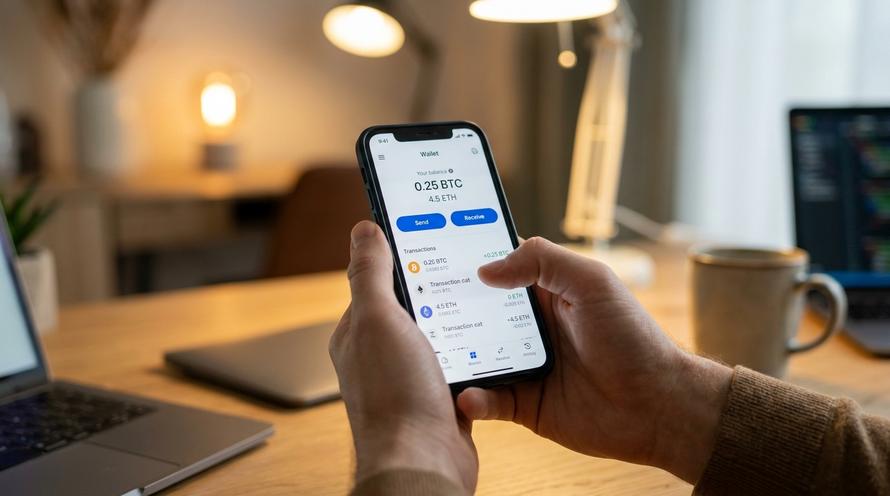
A crypto wallet is a digital tool that allows you to securely store, manage, and interact with your cryptocurrencies. Contrary to what the name suggests, crypto wallets don’t actually hold your digital coins like a physical wallet holds cash. Instead, they store your private keys and public keys. These keys are cryptographic pieces of information that prove your ownership of digital assets on the blockchain and allow you to access them. Your public key generates a “wallet address” that you can share to receive funds, while your private key is a secret password that authorizes transactions—it should never be shared.
Think of it this way: the blockchain is a public ledger, and your wallet is the unique key that lets you make changes to your specific entries on that ledger. Using a wallet, you can interact with decentralized networks to buy, sell, trade, and use your crypto assets for a variety of purposes across the Web3 ecosystem. Understanding what is a crypto wallet is the first and most crucial step for anyone in Canada looking to enter the world of digital finance.
Summary
This guide explains everything you need to know about crypto wallets in 2026. You’ll learn what a wallet is, the difference between hot and cold storage, and how to pick the best option for your needs. We’ll show you how to find your wallet address, track your transactions, and monitor live prices in Canadian dollars. Finally, you’ll find a curated list of top wallets for Canadian users and answers to common questions about popular wallets and buying crypto safely.
TLDR
- Your crypto wallet stores your keys, not your coins. The private key gives you access to your funds on the blockchain.
- Cold wallets (hardware) are offline and best for secure, long-term storage.
- Hot wallets (apps, browser extensions) are online and best for frequent trading and daily use.
- Your wallet address is like a bank account number for receiving crypto.
- You can use trackers and block explorers to check transactions and balances.
- Always transfer crypto from an exchange to a private wallet for maximum security.
📑 Table of Contents
Types of Crypto Wallets: Finding the Right Fit
When choosing a crypto wallet, the first major decision is between a “hot” and a “cold” wallet. The difference is simple: hot wallets are connected to the internet, while cold wallets are kept completely offline. Hot wallets offer convenience for active traders, while cold wallets provide a fortress of security for long-term investors. Your choice will depend entirely on how you plan to use your digital assets.
Crypto Wallet Hardware (Cold Storage)
For serious investors and those holding significant amounts of crypto, a crypto wallet hardware device is the gold standard for security. These are small, physical devices (often resembling a USB stick) that store your private keys offline, making them immune to online threats. When you want to make a transaction, you connect the device to your computer or phone, and it signs the transaction within its own secure, isolated environment. This means your private keys never touch the internet, offering robust protection against online hacks and phishing scams. This method is ideal for “HODLing” (holding on for dear life) your assets for the long term.
Crypto Wallet Apps and Online Wallets (Hot Wallets)
Hot wallets prioritize convenience and accessibility. The most common types are mobile applications, desktop software, and browser extensions. A crypto wallet app on your phone allows you to trade, spend, and interact with Web3 applications on the go. It’s crucial, however, to distinguish between self-custody and custodial wallets.
Self-Custody Wallets
With these wallets (e.g., MetaMask, Trust Wallet), you have full control over your private keys. You are your own bank. This grants you complete sovereignty over your assets but also means you are solely responsible for their security and for securing your device from being compromised.
Custodial Online Wallets
An online crypto wallet, like the one provided when you sign up for an exchange such as Binance or Crypto Wallet Trade Republic, is custodial. The exchange holds your private keys on your behalf. While convenient for beginners, it means you are trusting a third party with your funds, which introduces a different set of risks.
Understanding Your Crypto Wallet Address
Your crypto wallet address is a unique string of alphanumeric characters that functions like a bank account number for your digital assets. It’s generated from your public key and is the only piece of information you need to share to receive cryptocurrency. You can have multiple addresses within a single wallet for different cryptocurrencies like Bitcoin (BTC) or Ethereum (ETH). When someone sends you crypto, they direct it to your specific address on the blockchain. It’s public and perfectly safe to share, but always double-check the address for accuracy before confirming a transaction, as crypto transfers are irreversible.
💡 Tip: Always copy and paste a wallet address. Typing it manually can easily lead to errors. For extra security, verify the first and last four characters of the address after pasting to ensure it’s correct.
Using a Crypto Wallet Tracker and Checker
Because blockchains are public ledgers, anyone can view the transactions associated with a wallet address. A crypto wallet tracker or crypto wallet checker is a tool that lets you do just that. These tools, often called block explorers (like Etherscan for Ethereum or Blockchain.com for Bitcoin), allow you to paste in any public address and see its entire transaction history, current balance, and the tokens it holds. Using a crypto wallet address checker is an excellent way to:
- Verify Transactions
- Confirm that a payment you sent has been processed or that an incoming payment has arrived.
- Check Balances
- Audit your portfolio or check the balance of another wallet without needing access to the private keys.
- Track Whales
- Monitor the activity of large holders (“whales”) to gain insights into market movements.
The Ultimate Crypto Wallets List for Canadian Investors
Finding the right wallet can be daunting, so we’ve compiled a crypto wallets list tailored for Canadian users in 2026. This breakdown considers security, ease of use, supported assets, and community feedback from forums like Reddit, a key source for real-user reviews.
Best Hardware Wallet: Ledger Nano Series
Praised across crypto wallet Reddit threads for its top-tier security and broad coin support. Ideal for Canadians serious about long-term, secure storage.
Best Mobile Wallet: Trust Wallet
A highly versatile, non-custodial mobile app that supports thousands of assets, including NFTs. Its built-in dApp browser makes it a favourite for Web3 explorers.
Best for Ethereum & DeFi: MetaMask
The undisputed king for interacting with the Ethereum ecosystem. As a browser extension and mobile app, it’s the gateway to DeFi, NFTs, and dApps for millions of users.
Monitoring Live Crypto Prices Directly in Your Wallet
Modern crypto wallets have evolved beyond simple storage. Most user-friendly wallets now feature integrated portfolio trackers that display the real-time value of your assets. This is especially useful for Canadian investors, as leading wallets allow you to set your native currency to CAD. You can easily track the bitcoin price cad or the ethereum price cad without needing to use a separate app or do manual conversions.
While global markets often reference the btc usd and eth usd pairs, seeing the value in Canadian dollars gives you a much clearer picture of your portfolio’s performance. Many wallets also provide live charts and price feeds for other popular assets like the solana price or the xrp price, making your wallet a central hub for managing and monitoring your investments.
Frequently Asked Questions (FAQ)
What is the Coinbase Wallet?
The Coinbase Wallet is a self-custody crypto wallet from the creators of the Coinbase exchange. It’s important to know that it is a separate product from the main exchange account. It gives you complete control over your private keys, allowing you to store NFTs and explore the decentralized web (Web3) while maintaining full ownership of your assets.
What is MetaMask?
MetaMask is one of the world’s most popular software crypto wallets, available as both a browser extension and a mobile app. It is primarily used for interacting with the Ethereum blockchain and can store Ethereum (ETH) and thousands of ERC-20 tokens. Its seamless connectivity to decentralized applications (dApps) has made it an essential tool for DeFi and NFT enthusiasts.
How to buy Bitcoin safely in Canada?
If you’re looking for how to buy bitcoin safely in Canada, follow these simple steps for maximum security. First, choose a reputable and regulated Canadian cryptocurrency exchange (like Bitbuy or Newton). Second, complete their verification process and purchase your BTC. Third, and most importantly, immediately withdraw the Bitcoin from the exchange to your own private crypto wallet app or a hardware wallet. Leaving your assets on an exchange is convenient but exposes you to risks outside your control.
Can I hold altcoins and NFTs in a standard crypto wallet?
Yes, absolutely. Most modern multi-chain wallets are designed to hold a wide variety of digital assets beyond just Bitcoin. They support numerous altcoins, from established projects to popular meme coins like Shiba Inu. If you’re wondering how to buy safemoon or other newer tokens, you’ll often need a wallet like Trust Wallet or MetaMask that can connect to decentralized exchanges. These wallets also have dedicated sections to display your NFT (non-fungible token) digital collectibles.
Can I connect my wallet to decentralized apps like Polymarket?
Yes, connecting to decentralized applications (dApps) is a core feature of Web3-enabled software wallets like MetaMask and Coinbase Wallet. You can use your wallet to seamlessly connect to DeFi platforms for lending and borrowing, NFT marketplaces for trading, decentralized games, and prediction markets like Polymarket. Your wallet acts as your digital identity and passport to the entire decentralized ecosystem.
Written by
Conor Byrne
