

A viajar para o Japão? Descubra como alugar um pocket Wi-Fi. Comparamos preços, os melhores fornecedores e ajudamo-lo a escolher entre um Wi-Fi portátil ou eSIM.
Best Japan Pocket Wi-Fi: 2026 Rental Guide for Aussies
Best Japan Pocket Wi-Fi: 2026 Rental Guide for Aussies
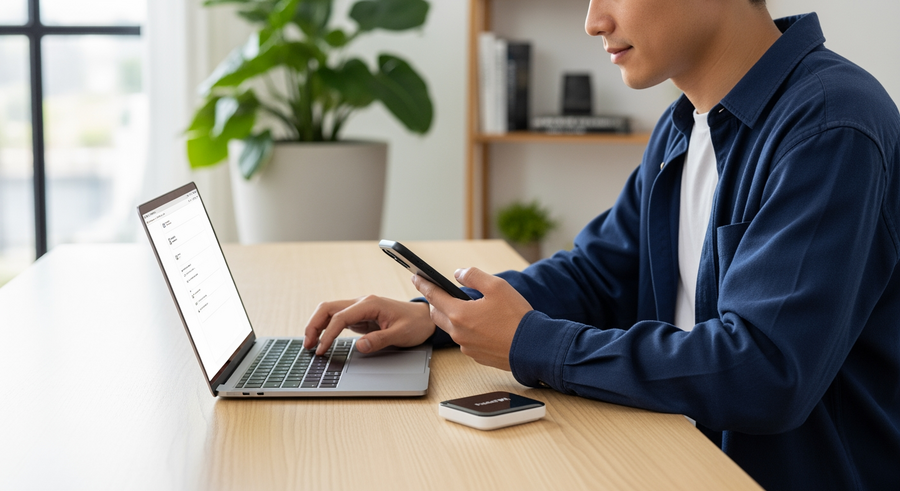
Why Renting a Portable Wi-Fi Router is Essential
For any Australian travelling to Japan in 2026, staying connected is no longer a luxury—it’s a necessity. While you might be dreaming of temples and ramen, navigating Japan’s sprawling cities and intricate train systems requires reliable internet access. A Pocket Wi-Fi Japan rental is your key to a stress-free trip. It ensures you can use Google Maps to find that hidden izakaya, check hyper-detailed train schedules on apps like Navitime or Japan Travel, and instantly translate menus or signs with a translation app. These are just some of the essential travel apps that depend on a steady connection.
The convenience of “portable wifi japan” truly shines when you’re travelling with family or a group of mates. Instead of everyone needing their own SIM card, a single pocket Wi-Fi hub can connect multiple devices—smartphones, tablets, and laptops—all at once. This makes coordinating plans and sharing your holiday snaps a breeze. While Japan does offer free public Wi-Fi in some train stations and cafes, it’s often unreliable, slow, and requires you to go through tedious login portals for every session. A dedicated rental device gives you secure, fast, and uninterrupted internet access wherever your adventure takes you.
Planning your trip to Japan and wondering how to stay connected? This guide covers everything you need to know about renting a pocket Wi-Fi device. You’ll learn why it’s a great choice, compare the top providers like Japan Wireless and Ninja Wi-Fi, and see how it stacks up against an eSIM. We’ll also break down the costs, explain the easy pickup and return process at airports like Narita, and answer all your common questions to help you make the best decision for your travel style.
TLDR
- Get a Pocket Wi-Fi: It’s essential for navigation and translation in Japan. It’s perfect for groups as you can share one device.
- Top Providers: Book online with Japan Wireless for premium service or Ninja Wi-Fi for good support. Use Klook to find deals.
- Pocket Wi-Fi vs. eSIM: Choose pocket Wi-Fi if you’re in a group, have older phones, or want to save your phone’s battery. Go for an eSIM if you’re travelling solo and want convenience.
- Book in Advance: Always pre-book your device online for pickup in Japan. It’s cheaper and guarantees you’ll get one, especially during peak season.
- Pickup is Easy: You can pick up your device at major airports like Narita and Haneda or have it delivered to your hotel. Returning it is as simple as dropping it in a post box.
📑 Table of Contents
Best Pocket Wi-Fi Providers in Japan (Reviews & Comparisons)
Choosing the right provider can feel overwhelming, but a few key players consistently stand out for their reliability and service. Based on traveller reviews and popularity, these are the top contenders for your trip.
- Japan Wireless: Often considered the gold standard, Japan Wireless is a top choice for many travellers. They are well-known for their “Premium Wi-Fi” plans, which offer truly high-speed connections and generous data caps. Their coverage, piggybacking on the extensive SoftBank network, is excellent across both major cities and more rural areas, making them a reliable option no matter where your itinerary takes you.
- Ninja Wi-Fi: Another hugely popular option, Ninja Wi-Fi (operated by Vision Global Wi-Fi) is famous for its excellent English-language customer support and easy-to-find counters at major airports. They frequently run promotions and offer competitive pricing, especially if you book well in advance. Their devices are dependable and offer solid performance for everyday use.
- Klook & Third-Party Aggregators: Platforms like Klook are not direct providers but act as resellers for major companies (often including Ninja Wi-Fi and others). The main advantage of booking through Klook is the potential for lower rates due to their bulk purchasing power and frequent discount codes. The process is seamless—you book online, receive a digital voucher, and redeem it at the designated airport counter. It’s a fantastic way to save a few dollars.
- Other Notable Mentions: While the big two dominate, other providers like Sakura Mobile are also well-regarded, particularly for longer-term rentals. For budget-conscious travellers, websites like “Tokyo Cheapo” often list and compare various smaller, generic rental services that can offer no-frills connectivity at a lower price point.
Pocket Wi-Fi vs. eSIM: Making the Right Choice
With the rise of modern smartphones, the “eSIM vs Pocket Wi-Fi” debate is more relevant than ever. An eSIM (embedded SIM) is a digital SIM that lets you activate a mobile data plan without a physical SIM card. Both options are excellent, but they cater to different types of travellers. Understanding how you’ll be managing your mobile data abroad will help you choose wisely.
✅ The Case for Pocket Wi-Fi
- Best for Groups & Families: The biggest advantage. One device connects everyone’s phone, saving money and hassle.
- Saves Phone Battery: Using your phone as a hotspot drains your phone battery quickly. A separate device avoids this problem entirely.
- Device Compatibility: Works with any Wi-Fi-enabled device, including older phones that aren’t eSIM compatible, laptops, and tablets.
- Keeps Your Number: Your Aussie SIM can stay in your phone for receiving calls or texts if needed (though be wary of roaming charges).
✅ The Case for eSIM
- Ideal for Solo Travellers: If it’s just you, an eSIM is often cheaper and more straightforward than renting a physical device.
- Ultimate Convenience: No extra device to carry, charge, or worry about losing. It’s all digital.
- Instant Activation: You can buy and activate your plan before you even leave Australia. Simply scan a QR code and you’re ready to go upon landing.
- Flexible Plans: Providers like Ubigi or Airalo offer a wide range of data-only plans customised for different trip lengths.
⚖️ The Verdict
Choose a Japan Wireless pocket wifi or similar rental if you’re travelling with at least one other person, need to connect multiple devices (like a laptop for work), or have a phone that doesn’t support eSIM. For solo travellers with modern, eSIM-compatible phones who value convenience over shareability, a data-only eSIM is the clear winner.
Understanding the Cost: How Much Should You Pay?
When searching for “pocket wifi japan cost,” you’ll find prices can vary. Understanding the pricing structure will help you budget accurately and avoid surprises. Here’s a breakdown of what to expect.
- Daily Rental Rates
- This is the most common model. You pay a set fee per day of your rental period. The longer you rent, the lower the daily rate often becomes. Short trips are convenient but have a higher per-day cost.
- Hidden & Optional Costs
- Be mindful of add-ons. Insurance is highly recommended to cover loss or damage (which can be expensive). Many providers also offer power bank add-ons, which are useful for long days out. Finally, check for any shipping or airport pickup fees, though these are often minimal or included.
💰 Rough Cost Estimate (as of 2026):
For a standard plan with a decent data allowance, you should budget around ¥7,000 – ¥9,000 (approx. $70 – $90 AUD) for a 7-day trip. For a 14-day trip, expect to pay between ¥10,000 – ¥14,000 (approx. $100 – $140 AUD). Prices can be lower with early-bird discounts or third-party bookings on sites like Klook.
Pickup and Return Logistics: Narita, Haneda, and Hotels
Getting and returning your pocket Wi-Fi is incredibly streamlined in Japan. Providers have perfected the process to make it as easy as possible for tourists.
✈️ Airport Pickup
This is the most popular method. When you book online, you’ll select your arrival airport and terminal. For pocket wifi japan narita airport (Terminals 1 & 2), Haneda, or Kansai International (KIX), you simply head to the designated provider counter (e.g., the Ninja Wi-Fi counter or a multi-service counter like QL Liner) in the arrivals hall. Show your passport and booking confirmation (usually a QR code on your phone), and you’ll receive your pouch with the device, charger, and return envelope in minutes.
🏨 Hotel Delivery
For ultimate convenience, you can have the device delivered directly to your hotel. You provide your hotel details and check-in date during booking, and the package will be waiting for you at the front desk upon your arrival. This is a great option if you have a tight connection or simply don’t want to deal with airport queues.
📮 Easy Return Process
Returning the device is even easier. Your rental kit will include a prepaid, pre-addressed return envelope. On your last day, simply place all the components into the envelope, seal it, and drop it into any red post box in Japan. You can find these post boxes everywhere, including inside the airport departure terminals. There’s no need to find a specific counter for returns.
Frequently Asked Questions (FAQ)
What do Reddit users recommend for Pocket Wi-Fi in Japan?
A deep dive into “pocket wifi japan reddit” threads shows a strong consensus. For pure performance and reliability, users consistently recommend Japan Wireless, especially their premium plans. For solo travellers, the conversation often shifts to eSIMs, with Ubigi being a frequent favourite due to its competitive pricing and reliable network. The biggest piece of advice from Reddit is universal: always reserve your device online in advance, as trying to rent one on arrival during peak seasons (like cherry blossom or Golden Week) is a recipe for disappointment.
Is it better to rent Wi-Fi in Australia or upon arrival in Japan?
It is almost always better to book your pocket Wi-Fi online beforehand for pickup upon arrival in Japan. Renting a “global” Wi-Fi device from an Australian provider at Sydney or Melbourne airport is significantly more expensive and often provides slower speeds once you’re in Japan. Pre-booking online with a Japanese provider secures your device, gives you access to the best rates and promotions, and saves you from the risk of counters being sold out when you arrive.
Can I use a Pocket Wi-Fi device from Hawaii or other countries?
While global roaming hotspots exist (addressing keywords like “pocket wifi japan hawaii”), they are not the best choice for a trip focused on Japan. A local Japanese rental unit is specifically optimised to work on the country’s main networks (like Docomo or SoftBank). This results in faster speeds, better coverage, and lower latency. Renting a local Japanese unit is also almost always cheaper than paying for global roaming data through an international provider.
Can I get unlimited data with a Pocket Wi-Fi rental?
This is a common point of confusion. While many plans are advertised as “unlimited,” they almost all operate under a Fair Usage Policy (FUP). This means that after you use a certain amount of data in a single day (typically between 3GB to 10GB, depending on your plan), your speed will be significantly slowed down (throttled) until the next day. For most travellers, even 3GB per day is more than enough for maps, browsing, and social media, but be aware of this limit if you plan on streaming high-definition video or doing large downloads.
Can I rent a Pocket Wi-Fi directly at Narita Airport without a booking?
Yes, you technically can walk up to a counter at Narita and attempt to rent a device. However, this is highly risky and not recommended. During busy travel seasons, stock frequently runs out completely. Even if devices are available, the “walk-up” rental prices are significantly higher than the discounted rates you get by pre-booking online. Save yourself the stress and money by reserving your device a few weeks before your trip.
Written by
Ruby Walker
