

Compare SMS vs WhatsApp in 2026. Learn the key differences in cost, security, and features so you can stay connected safely anywhere in the world.
SMS vs WhatsApp: What’s the Difference in 2026?
SMS vs WhatsApp: What’s the Difference in 2026?
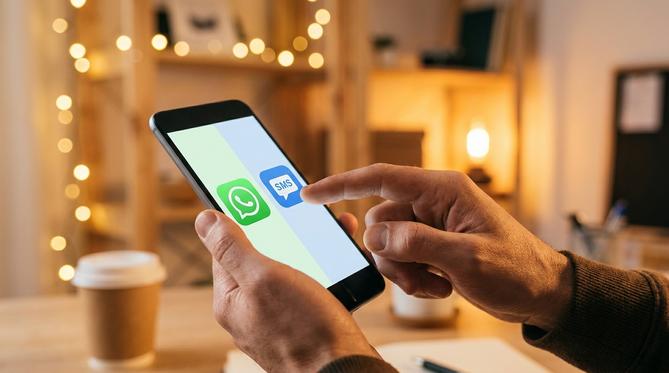
What is SMS and WhatsApp?
When comparing SMS vs WhatsApp, you need to know exactly how they keep you connected in 2026. SMS stands for Short Message Service, which is the standard text messaging feature built into every mobile phone. WhatsApp is a separate application that relies on the internet to send your messages. You will learn how to choose the right option for your daily chats, security needs, and budget.
What is SMS?
SMS is a traditional text messaging tool that uses your mobile network provider to send texts. It relies on a basic mobile signal to deliver text-only messages directly to another phone number. You do not need an internet connection to use it.
What is WhatsApp?
WhatsApp is an internet-based messaging app owned by Meta. It uses your mobile data or a Wi-Fi connection to send text messages, photos, and videos. You need to download the app and create an account using your phone number to start chatting.
Summary: You can quickly see that both platforms help you stay in touch, but they work quite differently. You will discover that SMS is perfect for offline reliability, while WhatsApp offers rich features like group chats and media sharing over the internet.
TLDR
- You need a mobile signal for SMS, while WhatsApp requires an internet connection.
- You can send basic texts via SMS, but WhatsApp lets you share large videos and high-quality photos.
- You get end-to-end encryption with WhatsApp for better security.
- You might pay per text with SMS, whereas WhatsApp is free to use with your internet data.
📋 Table of Contents
You will find the following topics in this guide:
What is the difference between WhatsApp and regular texting?
The main difference between WhatsApp and regular texting is that standard texts use your mobile network, while WhatsApp uses the internet. This changes how much you pay, how secure your chats are, and what kind of files you can send.
SMS vs WhatsApp cost
SMS costs depend entirely on your mobile phone plan. Some network providers charge you a small fee for every text message, while others offer unlimited texts. WhatsApp is completely free to download and use, but it consumes your internet data allowance.
💡 Tip: If you are travelling overseas, understanding data roaming costs is important. Using WhatsApp on a foreign network can lead to unexpected data charges.
SMS vs WhatsApp security
Is WhatsApp safer than text? Yes, WhatsApp provides a much higher level of security because it uses end-to-end encryption. This means only you and the person receiving the message can read what is sent. Standard SMS is not encrypted, making it easier for third parties to intercept your messages. Because regular texts lack this security layer, you must always watch out for smishing scams that try to steal your personal details.
SMS vs WhatsApp usage and features
WhatsApp allows you to share large video files, long voice notes, and high-quality photos easily. Standard SMS is generally limited to 160 characters of plain text.
- Standard SMS limits:
- If you try to send a photo via regular text, it converts to an MMS (Multimedia Messaging Service). This often costs extra and reduces the image quality.
- WhatsApp limits:
- You can send large files, share your live location, and send interactive stickers without extra carrier fees.
Why use WhatsApp vs text?
You might wonder why so many people prefer internet messaging in 2026. The choice often comes down to convenience and avoiding extra network costs.
Benefits of WhatsApp vs text
There are several strong benefits to using WhatsApp over traditional texting:
- You can create and manage large group chats effortlessly.
- You can see exactly when your message is delivered and read.
- You can send international messages without paying global roaming fees.
- You can make free voice and video calls over Wi-Fi.
Why are people moving away from WhatsApp?
While WhatsApp is highly popular, some users are actively looking for alternatives. People often cite privacy concerns regarding how Meta shares user data across its different platforms. This has led to a rise in alternative secure messaging apps like Signal or Telegram, which promise stricter data protection and less corporate tracking.
SMS vs WhatsApp marketing
Businesses use both channels to reach their customers, but they serve different purposes. Choosing the right one depends on what a business wants to achieve.
SMS vs WhatsApp open rate
Businesses see different results when looking at the open rates for these two channels in 2026. SMS boasts a near 98% open rate, making it incredibly reliable for urgent alerts. WhatsApp also has a high open rate, but it offers richer engagement through interactive buttons, product catalogues, and media.
SMS OTP and WhatsApp OTP
An OTP is a One-Time Password used to verify your identity when logging into an account. Businesses use both SMS and WhatsApp to send these codes. SMS serves as a universal fallback because it works on any mobile phone. However, WhatsApp OTPs are becoming popular for their fast delivery speed and secure encryption.
SMS vs WhatsApp for business South Africa
South Africa provides a great example of how messaging is used globally in 2026. WhatsApp Business is heavily utilised in South Africa for customer service, marketing, and direct sales. The local adoption rate for WhatsApp is extremely high, making it a more effective tool for businesses to reach out compared to traditional SMS campaigns.
Frequently Asked Questions (FAQ)
What is safer, SMS or WhatsApp?
WhatsApp is generally safer because it provides end-to-end encryption, whereas SMS messages are unencrypted.
Is SMS or WhatsApp better?
It depends on your needs. WhatsApp is better for international chats and media sharing, while SMS is better for reaching people without an internet connection.
Why do people use WhatsApp instead of SMS?
People prefer WhatsApp to avoid network SMS charges, easily share high-quality photos, and chat in large groups over Wi-Fi.
What are people saying about SMS vs WhatsApp on Reddit?
In 2026, Reddit users frequently highlight WhatsApp’s superior group chat features, while praising SMS as a reliable backup when data networks are down.
Stay connected anywhere with Recharge
Whether you prefer texting via SMS or chatting on WhatsApp, you always need mobile credit or data to stay connected. Recharge.com makes it simple to top up your mobile data or prepaid credit securely from anywhere in the world. Enjoy fast delivery and total control over your budget – so you never miss an important message.
Written by
Ruby Walker
