

Break the cycle of living paycheck to paycheck in 2026. Discover the latest statistics, simple budgeting tips, and how to take control of your money today.
How to Stop Living Paycheck to Paycheck in 2026
How to Stop Living Paycheck to Paycheck in 2026
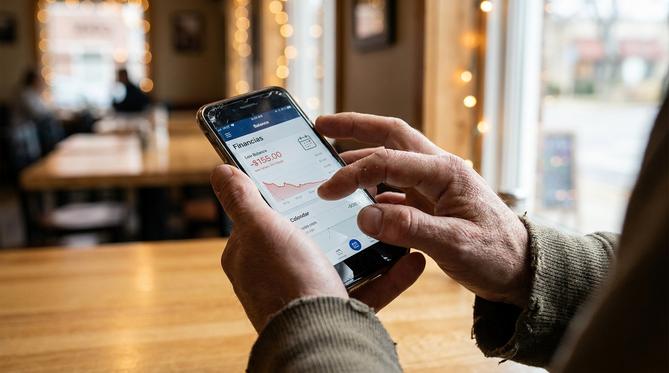
Living Paycheck to Paycheck: Meaning, Statistics, and How to Take Control in 2026
Living paycheck to paycheck is a financial cycle where your entire income goes toward expenses, leaving nothing for savings. When you live this way, every dollar you earn is already spent on bills, groceries, and rent before it even hits your bank account. It is a stressful situation, but understanding your habits is the first step to taking back control of your money.
Summary
In this guide, you will learn exactly what it means to live paycheck to paycheck and why it happens. You will discover the latest 2026 statistics across Australia, the UK, and North America. Most importantly, you will get practical, actionable steps to budget, save, and break the cycle for good.
TLDR
- Living paycheck to paycheck means spending all your income on living expenses with zero left for savings.
- Rising costs and lifestyle creep are keeping people across all income levels trapped in this cycle in 2026.
- You can break the cycle by tracking expenses, cutting subscriptions, and building a small emergency fund.
- Using the 70/20/10 budget rule helps you manage your money and start saving.
- Prepaid payment cards are a great way to control your daily spending and stick to a strict budget.
📋 Table of Contents
What Does Living Paycheck to Paycheck Mean?
Living paycheck to paycheck means you rely entirely on your current income to cover your living expenses, with no money left over for savings or emergencies.
If you miss a single payday, you will likely struggle to pay for basic needs like rent, bills, or groceries. You might hear this lifestyle described with common synonyms like “living hand-to-mouth” or simply “scraping by”. In daily life, it often looks like constantly checking your bank balance before buying essentials, or putting off important purchases until your wages finally clear.
Why Are So Many People Living Paycheck to Paycheck in 2026?
It is easy to assume this only happens to low-income earners, but that is not the case. In 2026, people across all income brackets are feeling the pinch. Rising living costs, inflation, and unexpected expenses are the primary drivers forcing people to spend everything they earn just to stay afloat.
Living Paycheck to Paycheck on $100k or $200k
💡 The Lifestyle Creep Trap: High earners often fall into a trap called “lifestyle creep”. This happens when your spending naturally rises right alongside your income.
Even if you make $100,000 or $200,000 a year, you can still end up with zero savings. Large mortgages, expensive car loans, and mounting credit card debt can easily consume a high salary, leaving you waiting for the next payday just like anyone else.
Living Paycheck to Paycheck in Your 20s, 30s, and With Kids
Different life stages bring different financial pressures. Here is how the cycle affects people at various points in their lives:
🎓 In Your 20s & 30s
Navigating early financial independence is tough. Entry-level salaries combined with heavy student debt make it incredibly hard to get ahead or build a safety net.
👨👩👧👦 With Kids
Parents face a completely different set of challenges. The added costs of daily childcare, education, and large family groceries quickly eat up any extra cash at the end of the month.
The Reality: Living Paycheck to Paycheck Statistics
To understand the scale of the problem, let’s look at the global snapshot for 2026. Financial stress is a shared experience worldwide.
🇦🇺 Australia
Are Australians living paycheck to paycheck? Yes. In 2026, data shows a significant portion of the country is scraping by due to consistently high housing and grocery costs.
🇺🇸 US & 🇨🇦 Canada
Over 50% of Americans and Canadians live this way with no emergency savings. Surprisingly, a growing percentage of people making over $100,000 also report having nothing left over.
🇬🇧 United Kingdom
The situation is just as tough in the UK. Millions of people rely entirely on their next payday to cover basic household bills and daily transport.
How to Stop Living Paycheck to Paycheck for Good
Breaking the cycle takes time, but you can take control of your money with a few simple steps. You do not need a massive salary increase to start making positive changes today.
What is the 70/20/10 Rule for Money?
- The 70/20/10 Rule
- The 70/20/10 rule is a simple budget that divides your after-tax income into three categories: 70% for living expenses, 20% for savings or debt, and 10% for giving or investing.
How to Budget and Save When Living Paycheck to Paycheck
✅ Quick Tips to Start Saving:
- Track every expense: Find out exactly where your money goes by writing down your daily purchases.
- Cut unnecessary subscriptions: You probably have a few streaming services or apps you no longer use. Cancel them today.
- Build a small emergency fund first: Start putting away just $10 a week. Small amounts add up and protect you from unexpected bills.
How to Invest When Living Paycheck to Paycheck
It is tempting to look for quick wins in the stock market, but you need a solid foundation first. Focus on paying off high-interest debt and building your emergency fund before you make risky investments.
Once your daily finances are stable, consider using micro-investing apps that round up your spare change. This is a simple, low-barrier way to start growing your wealth without feeling the pinch in your daily budget.
Frequently Asked Questions (FAQ)
What does living paycheck to paycheck mean to Dave Ramsey?
To Dave Ramsey, it is a sign of poor financial planning and a heavy reliance on debt. His famous baby steps are designed specifically to help you break this exact cycle and build lasting wealth.
Why is living paycheck to paycheck bad?
It leaves you completely vulnerable to financial ruin if an emergency happens. It causes severe daily stress and prevents you from building long-term wealth or enjoying financial freedom.
When do you stop living paycheck to paycheck?
You stop living paycheck to paycheck when you have a fully funded emergency fund and your monthly income consistently exceeds your monthly expenses.
How do you say living paycheck to paycheck in Spanish and French?
In Spanish, you say vivir al día. In French, it translates to vivre au jour le jour.
Is there a living paycheck to paycheck meme or song?
Yes, the phrase is heavily referenced in pop culture. You will hear it in country music and see it constantly in relatable internet memes about daily financial struggles.
Manage Your Budget Easily with Recharge
If you are trying to stop overspending, managing your money digitally can make a huge difference. Using prepaid payment cards and gift cards from Recharge.com helps you cap your discretionary spending instantly.
When you buy fixed-value cards for your entertainment – like Netflix or online gaming – you ensure you never go over your monthly budget. Plus, it keeps your primary bank details completely private. You can pay your way in +30 currencies using +40 payment methods.
It is fast, safe, and simple. Take control of your monthly spending today. Browse our range of prepaid payment cards and gift cards.
Written by
Ruby Walker
